Posted 9/30/2026
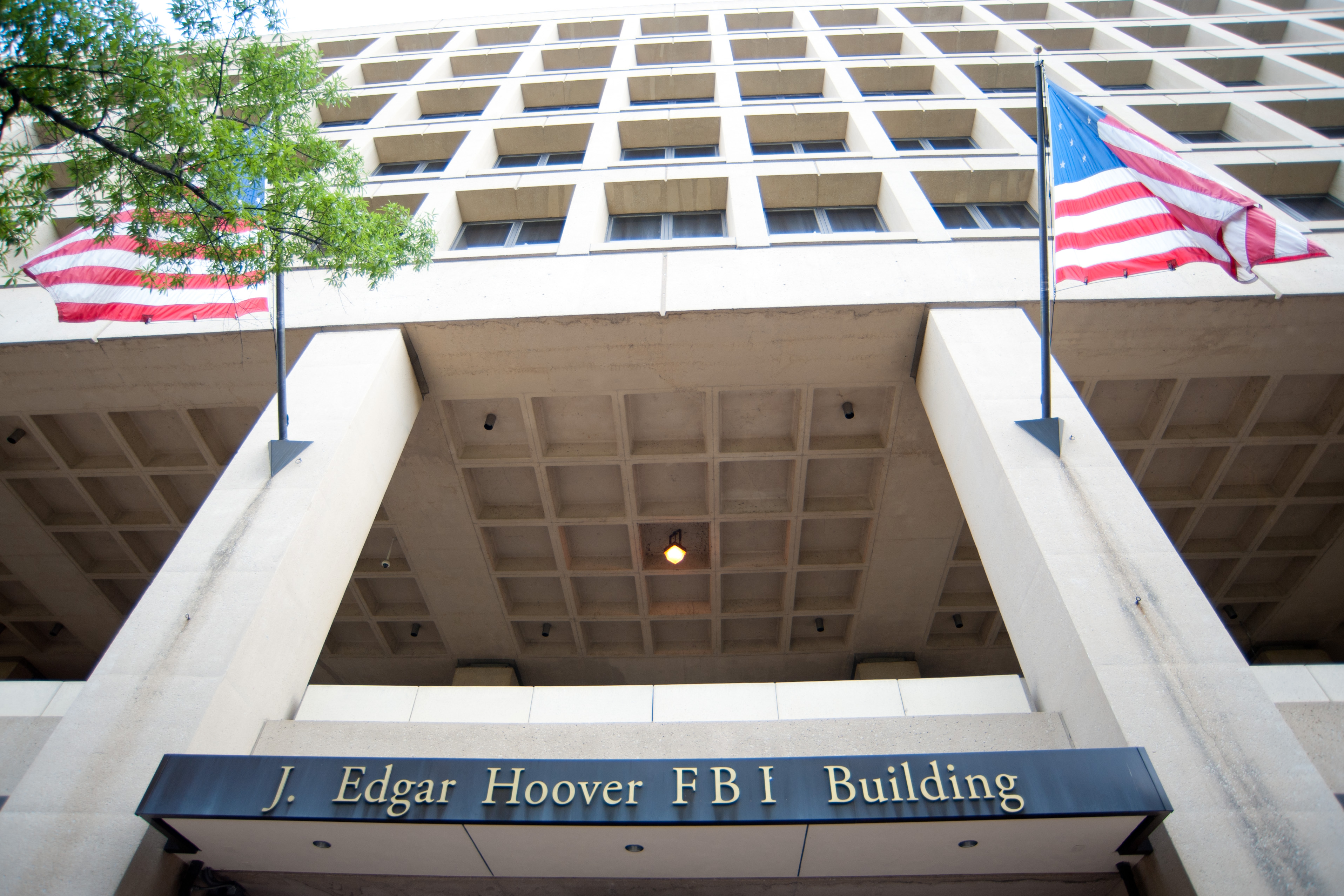
The FBI was hacked. Again! A group linked to Iran breached Kash Patel's email back in March 2026. Most recently, in September of 2026, information may have been exposed regarding the agency's entire workforce, including undercover agents. It might seem alarming, but different factions have been hacking into the FBI dating back to 2011, possibly even earlier.
The Federal Bureau of Investigation is the upper echelon of law enforcement in the United States, tasked with a host of duties. The FBI is responsible for taking down organized crime, like drug trafficking rings, large criminal groups, and gangs; stopping financial fraud, money laundering, and scams; and assisting police in finding missing children and violent fugitives. A major part of their core responsibilities also includes counterintelligence: blocking foreign spies and cyber threats from stealing American secrets. They act as one of the main agencies established to fight cybercrime and digital attacks by criminal groups or foreign nations. Their efforts to safeguard us make them a huge target.
Members of the FBI have expressed outrage, perhaps because these systems should be impenetrable. Also, it might lead one to believe that if they are ineffective at protecting their own secrets, then the nation may not be faring well. It's been reported that hackers provided detailed samples of what they obtained, accompanied by a ransom note. Apparently, names, addresses, phone numbers, badge numbers, and information about the spouses of agents were uncovered. Cybersecurity reporting noted three separate incidents affecting bureau-related systems in a single month.
The perpetrators are undeniably dangerous, possessing the audacity and scale required to execute a high-stakes cyberattack directly on the FBI. Such an effort may have required extensive funding and a wide-ranging network to conceal the identities of the parties involved. The FBI is fully expected to retaliate with the full weight of its considerable arsenal. It used to be that criminals had to physically break in to a facility to gain access to files. Being required to provide personal information on the internet makes someone inherently vulnerable. An estimated 60% to over 200 million American adults—effectively nearly every living U.S. adult—have had their Social Security numbers (SSNs) leaked in data breaches that end up on the dark web.
These digital assaults have quietly woven themselves into the fabric of everyday life. Ordinary citizens' private lives sit like unfortified storehouses, ripe for the picking, as stolen identities circulate endlessly on the dark web like rare baseball cards traded in a bustling schoolyard. The running tally of major corporate and institutional breaches has grown far too long to chronicle. To stem the bleeding, security measures like two-factor authentication have been rolled out to the masses—serving mostly as an annoyance for everyday users while acting as little more than a speed bump for relentless, high-tech cybercriminals. To see the list of major data breaches, Click Here.